MANIAC a/k/a SEX MANIAC (1934)
 Ed Wood must have seen MANIAC in his youth. The montage scenes in his first movie, GLEN OR GLENDA?, hearken back directly to the ones here. And William C. Thompson, MANIAC's cinematographer, went on to do cinematography for Wood. Alas, those 20 additional years of experience taught the man nothing about his craft.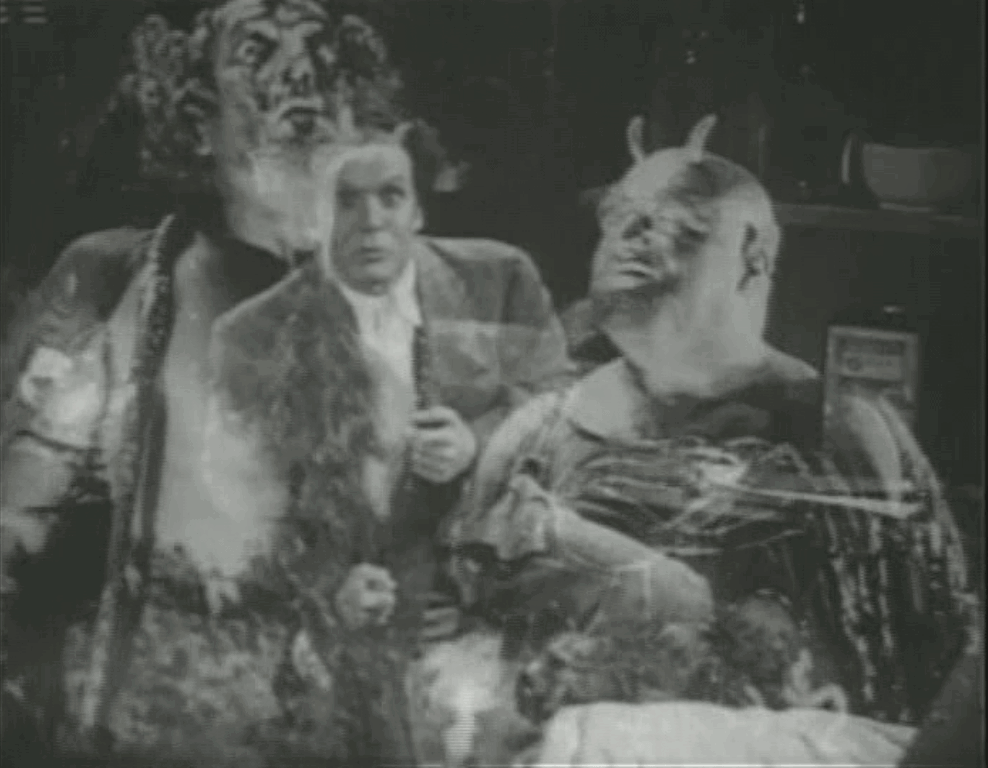
This bizarre, unsettling 51-minute exploitation fest is virtually incoherent, but I'll attempt a plot summary. Dr. Meyerschultz (Horace B. Carpenter) is a mental-health expert who spends his off-hours attempting to resurrect the dead. Assisting him is Don Maxwell (Bill Woods), a washed-up Vaudeville impressionist who helps the doctor in exchange for room and board. As Maxwell's sanity starts to slip, he kills Meyerschultz. To avoid being charged with murder, he hides the doctor's body behind a basement wall and disguises himself as Meyerschultz. Eventually, the police get wise to Maxwell and put him away—but not before a mentally ill patient (Ted Edwards) of Meyerschultz visits the doctor's office in desperate condition. Maxwell, not knowing what to do, injects the man with a random liquid, immediately sending the patient into a psychotic break.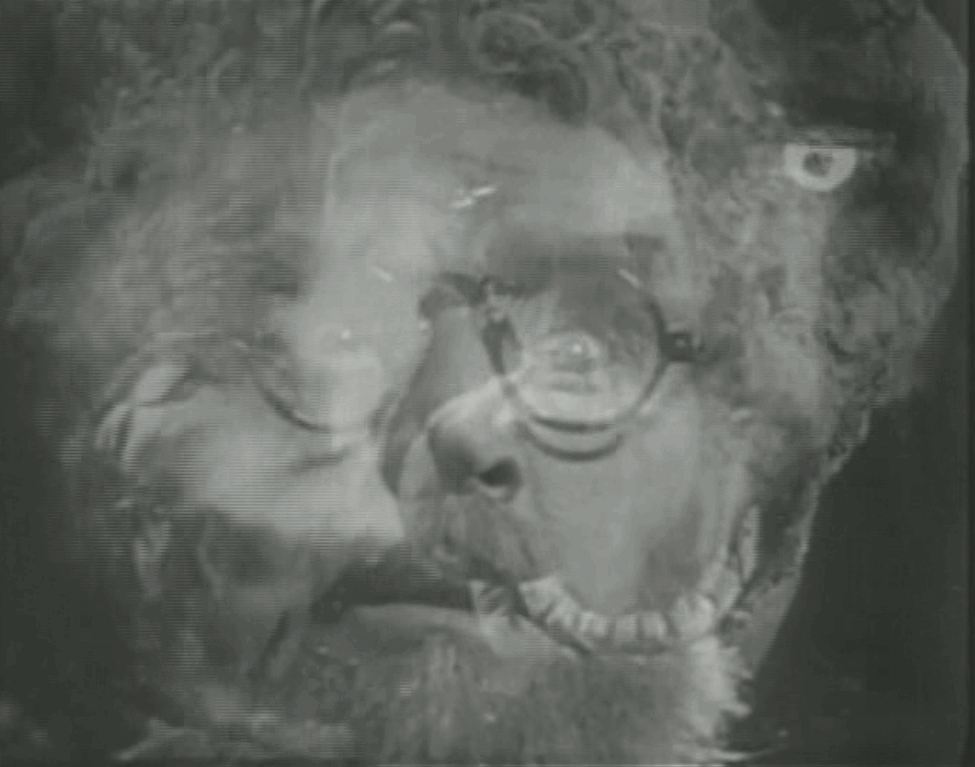
The acting here is so overblown, it crosses the line into self-parody. Horace B. Carpenter is particularly blustery as the hypertensive Meyerschultz. I've heard of hamming it up, but this guy was trichinosis incarnate! Bill Woods is no less subtle in his performance as the increasingly insane Maxwell. His Meyerschultz disguise is not overly convincing, either. And Ted Edwards' turn as the psychotic patient is truly memorable—in the way that French-kissing a metal pipe in sub-freezing weather is memorable.
There's also a weird sub-plot involving cats and rats, which culminates in Maxwell/Meyerschultz popping the eye out of a live cat and eating it! Suffice it to say, numerous cats were, indeed, harmed in the making of this film.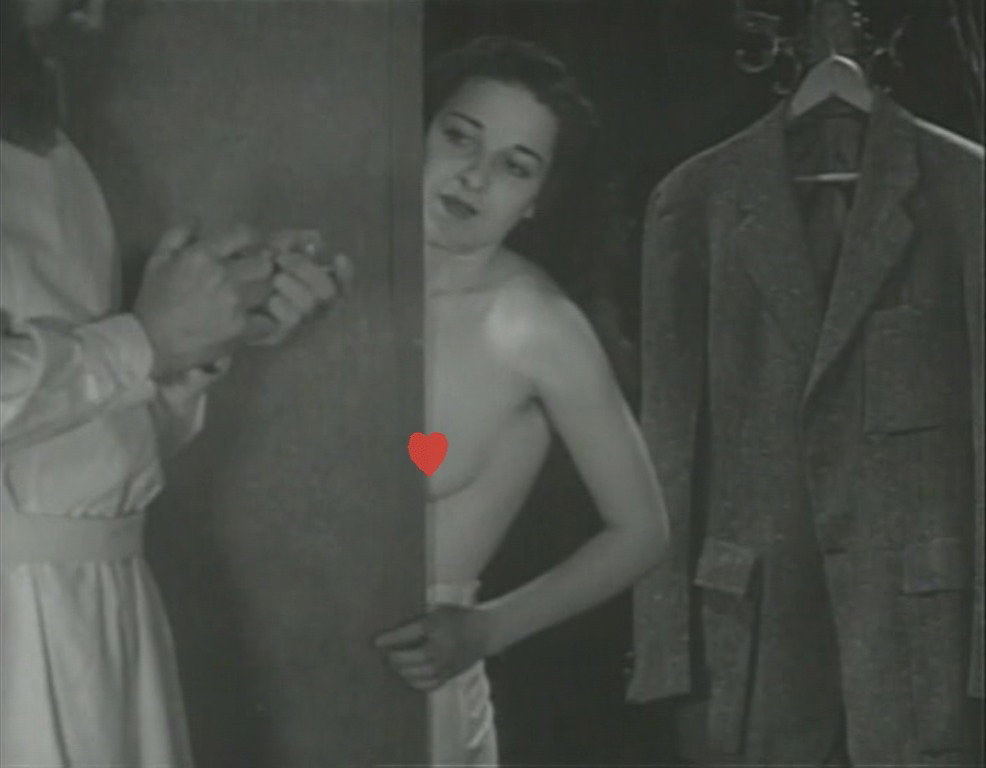
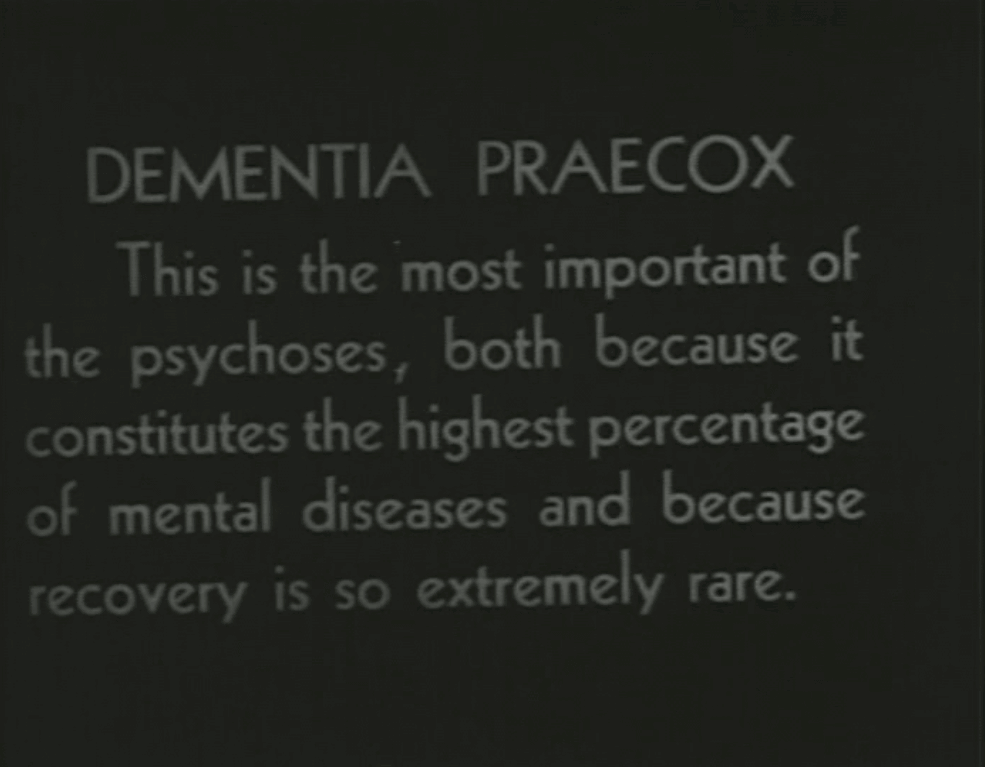
But wait, there's more! Gratuitous footage of scantily-clad (and even topless) women, assorted blood and gore, two feral women tearing each other to pieces, and a scene in which Maxwell/Meyerschultz lecherously looms over a woman who is clothed only in the broadest sense of the word. Between all this, we're inundated with screencards offering clinical definitions of the various types of mental illness (while syrupy strings play on the soundtrack). There's also the oddity of an actress here named Phyllis Diller—though not the wild-haired comedienne of the 1960s and '70s.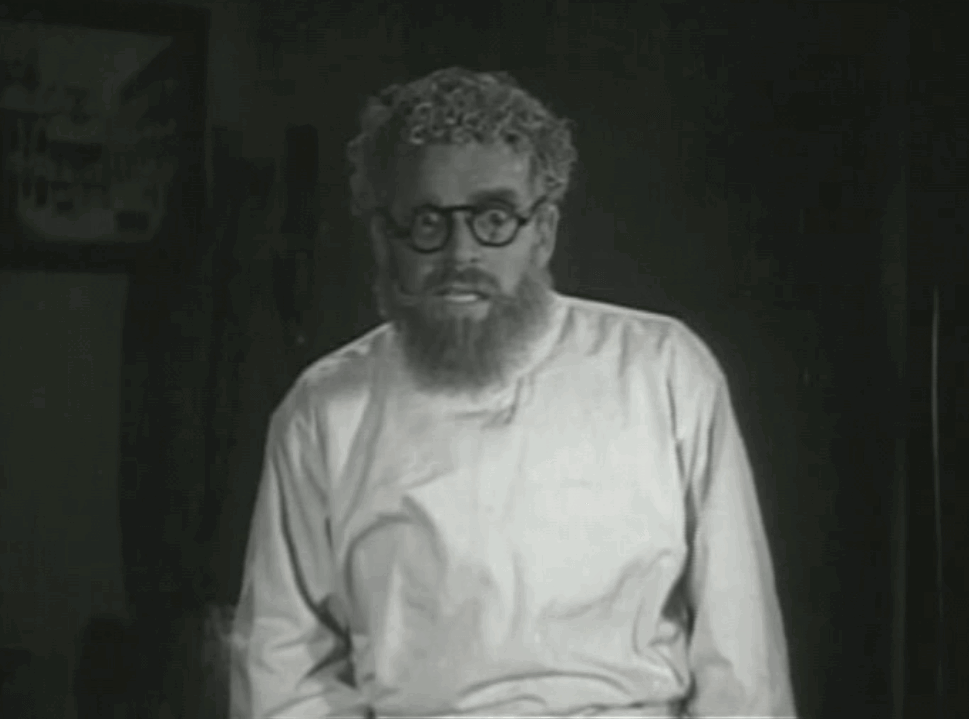
I'm guessing director Dwain Esper disguised MANIAC (originally titled SEX MANIAC) as an educational film to get around the Motion Picture Production Code of 1930 (A/K/A the Hays Code). This happened a lot in the 1930s so exploitation vehicles could legally be shown in theaters.
You can read the Hays Code in its entirety at http://www.artsreformation.com/a001/hays-code.html