MEAN JOHNNY BARROWS (1976)
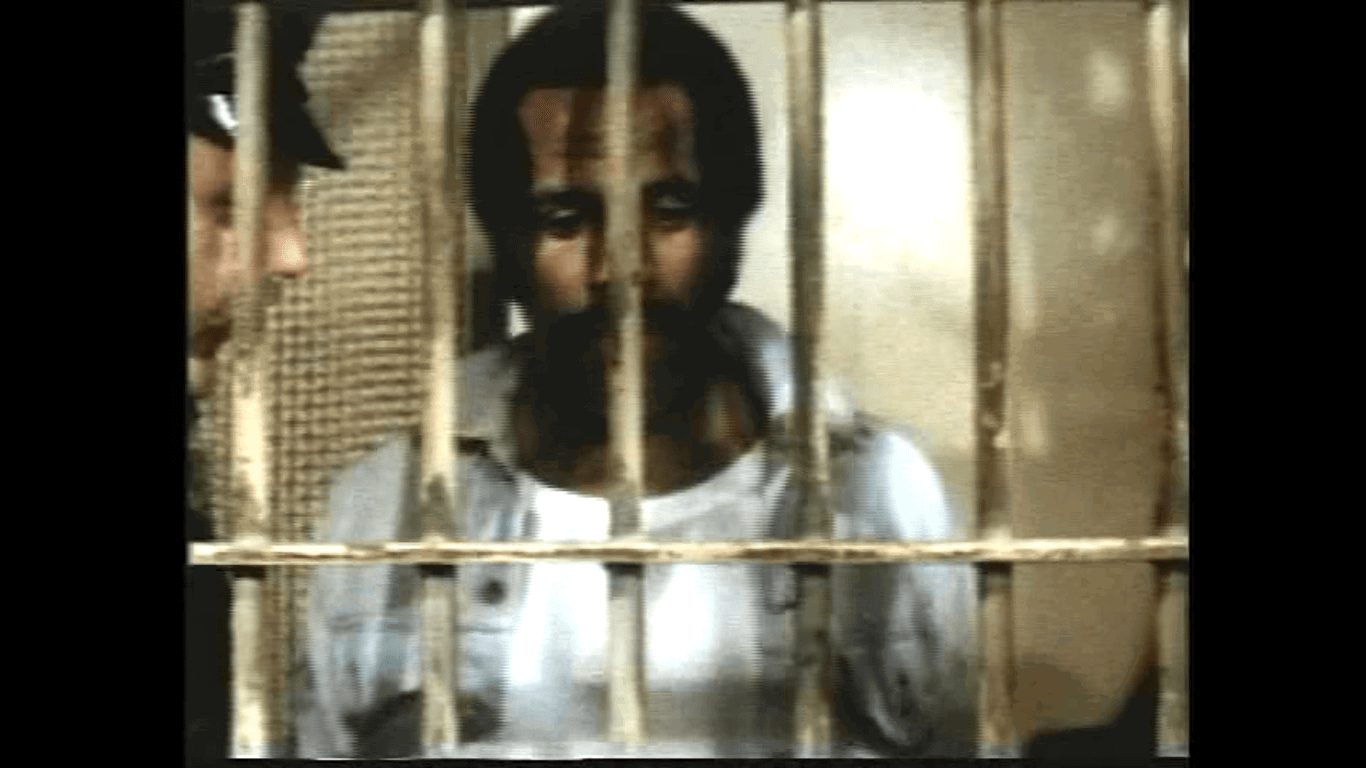
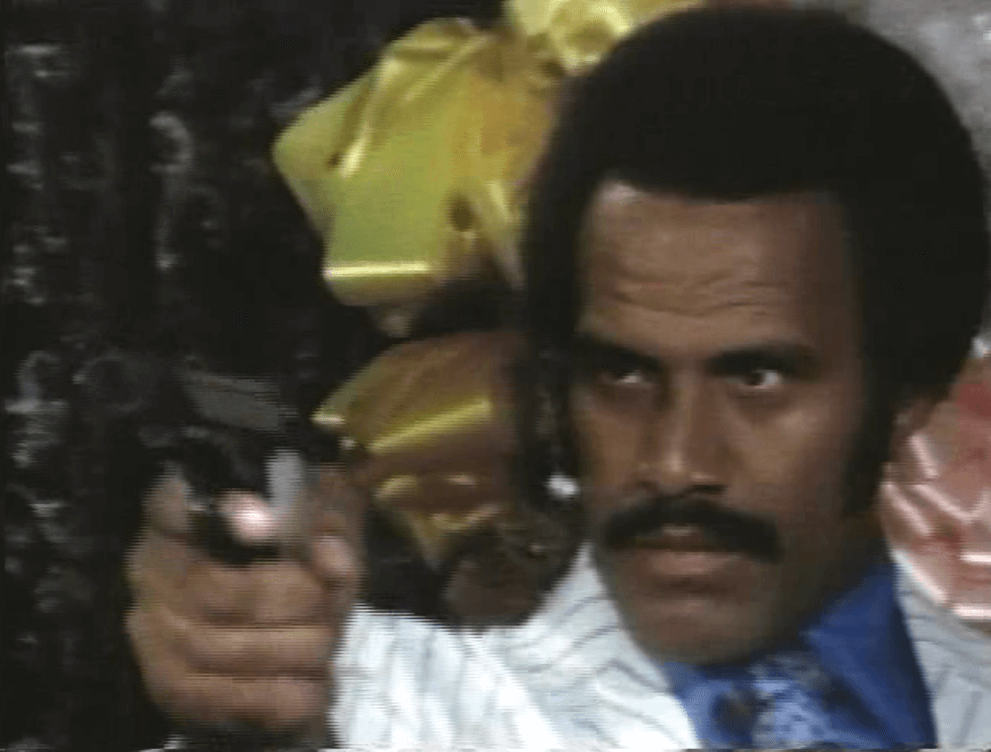
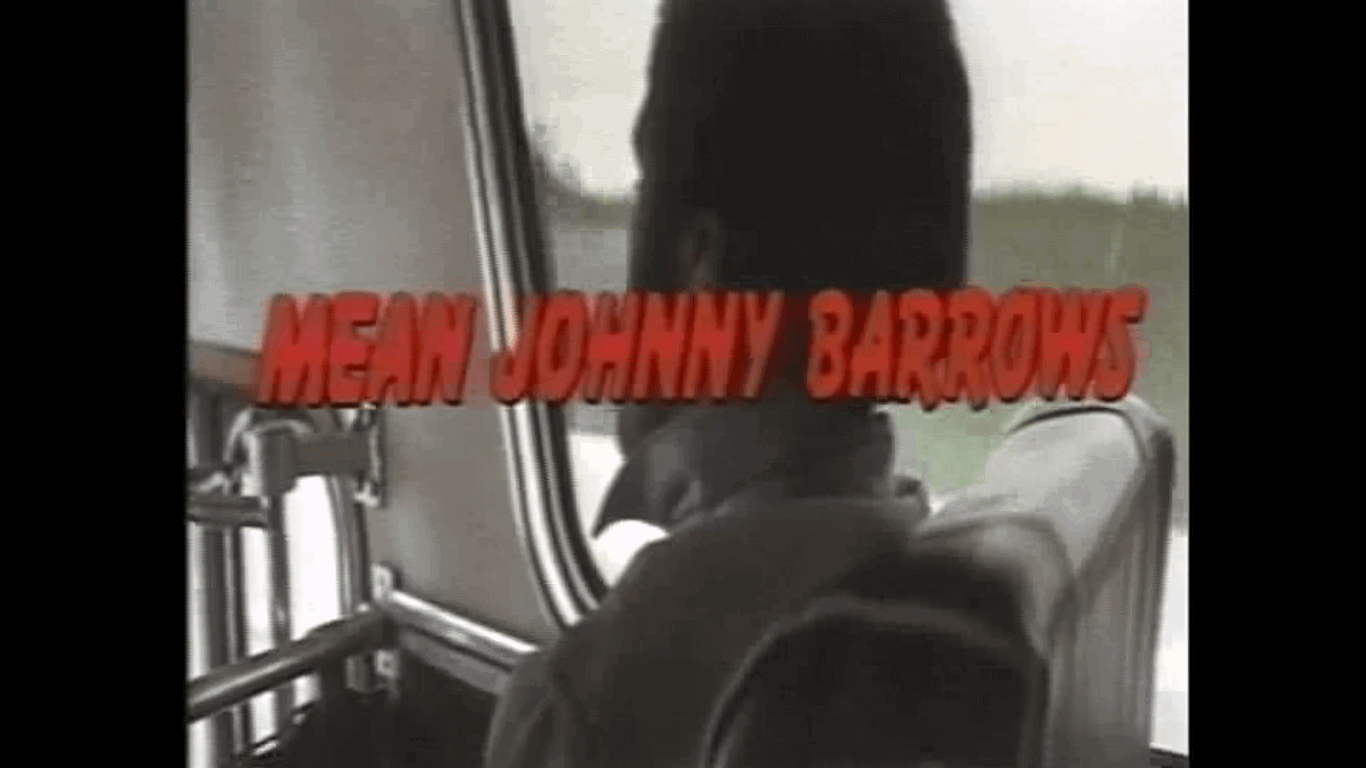 In this turgid hunk of Blaxplotation, Johnny Barrows (Fred Williamson, who also directed) is dishonorably discharged from the Army for striking his commanding officer, a white racist. He gets a job as a gas station attendant but lands in jail for punching out his boss, another white racist. Johnny is then approached by a mob boss to work for him as a hitman. A reluctant Johnny agrees and soon finds himself trapped between two warring families.
It sounds like the set-up for a pulse-pounding action film, but there's little by way of action. Much of the movie consists of walking and driving scenes, tin-ear dialogue between fifth-rate Godfather wannabes, and Johnny's travails at the hands of Whitey®. We're also treated to Johnny's cliched attempts at philosophizing about life, the universe, and everything. And there is a long, boring scene of Johnny walking the streets of Los Angeles looking for work as an unmemorable funk jam blares on the soundtrack. (First rule of Blaxploitation films: they must take place in either New York or L.A.)
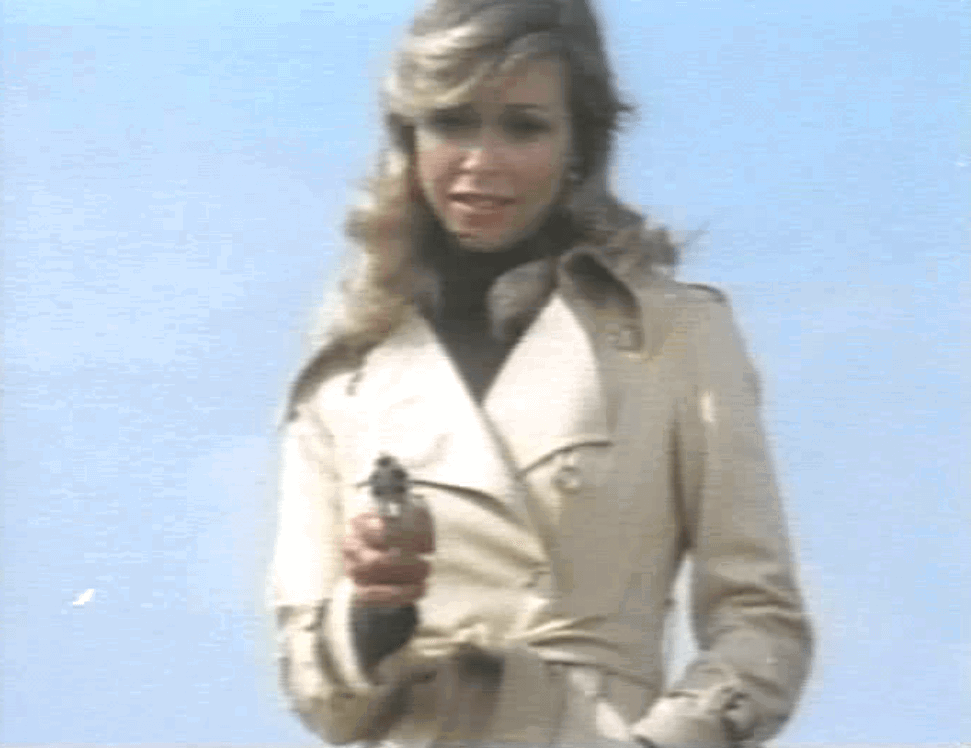
First-time director Barrows elicited zero emotion from his cast. Jenny Sherman is particularly bland as Nancy, the requisite gorgeous blonde who falls for the black leading man. Luther Adler plays the head of a mob family with a faux-Italian accent that renders his dialogue nearly impossible to discern. The other Italian mobsters are stereotypes who do everything but sell ices. And Roddy McDowell (barely) turns up as the meek, jittery son of a mob boss. McDowell was never discriminating about which acting jobs he took and seems particularly disinterested here.
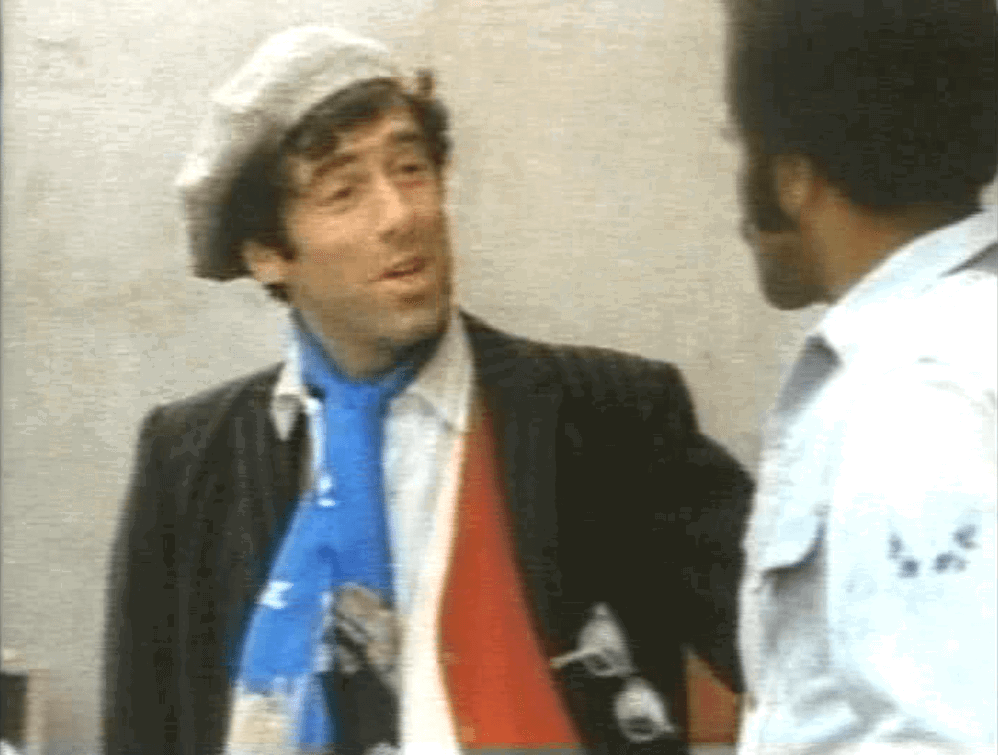
The best scene features Elliott Gould, with whom Williamson became friends on the set of Robert Altman's M*A*S*H in 1970. He appears in a brief, improvised scene in which Gould plays a professional hobo who gives Johnny some pointers on the pandhandler's lifestyle. It has nothing to do with the storyline but displays a warmth and charm absent from the rest of the film.
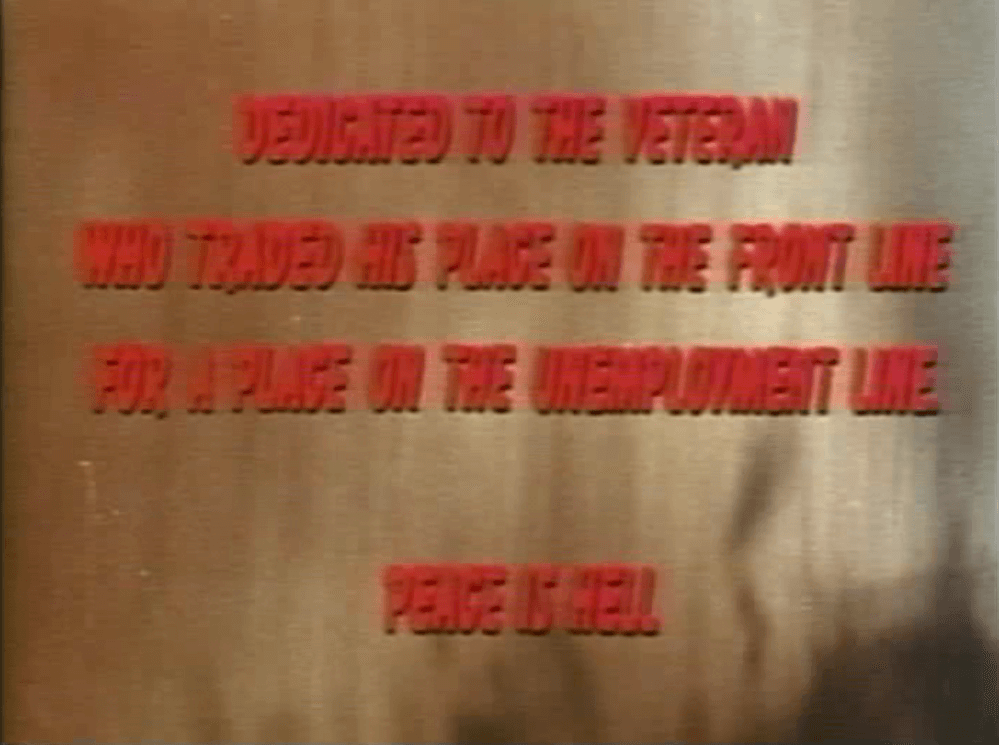
It ends with Johnny's betrayal at the hands of a friend, who shoots him and walks away—only to step on a conveniently placed landmine and get blown to bits while Johnny lays dying. Finally, these words appear on-screen: “Dedicated to the veteran who traded his place on the front line for a place on the unemployment line. Peace is Hell.”
So is watching a Fred Williamson movie.