THE LAST WOMAN ON EARTH (1960)
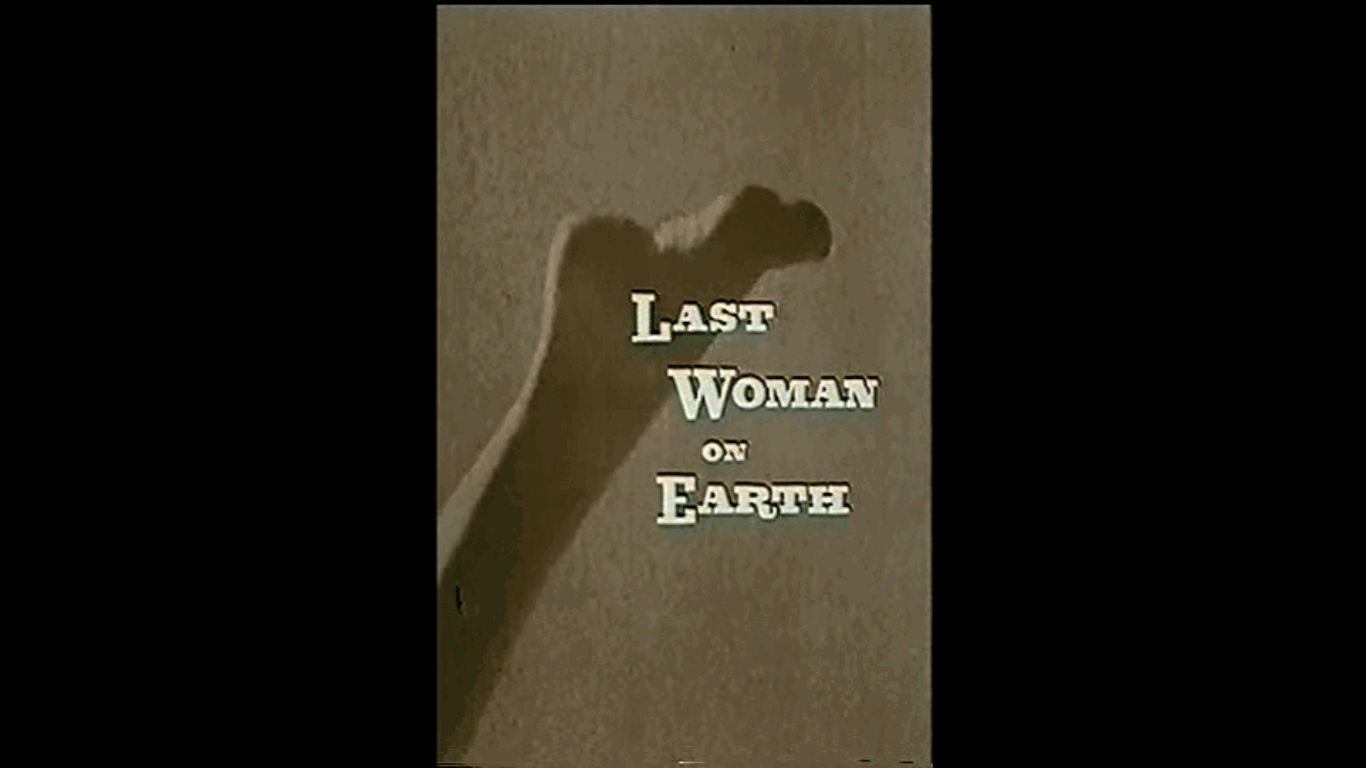 Roger Corman's end-of-the-world scenario (set in Puerto Rico) begins with the main character, Harold Gern (Anthony Carbone), betting on a cock fight. His wife Evelyn (Betsy Jones Moreland) and their attorney Martin Joyce (Edward Wain) are present as well, but find the whole thing revolting. Since Corman filmed an actual cock fight instead of simulating one, I agree fully.
The three go SCUBA diving, only to resurface and find everyone else on the island dead of asphyxiation. They immediately conclude that while they were underwater, the Earth's oxygen supply temporarily disappeared, killing off the entire human race. That's right, folks. It never occurs to Harold, Evelyn, or Martin that any of the planet's three billion people might still be alive. So they move to a house on a remote part of the island, where they teach themselves basic survival skills. Things go relatively well until it becomes obvious that Ev and Martin are attracted to each other.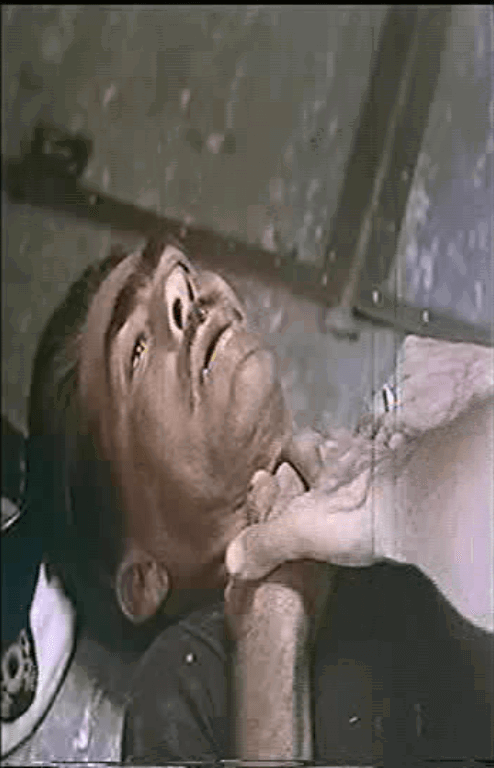
Carbone plays Harold as a Trump-like real-estate magnate who doesn't care about the rules and will do anything it takes to come out on top. He delivers his lines in a low-key but menacing manner that says, “Don't even think about messing with me.” Martin is Yang to Harold's Yin, a starry-eyed young man with no interest in climbing the ladder of success and who is more concerned about human welfare. Wain portrays the character as highly emotional and given to impulsiveness. Finally, Betsy Jones Moreland is gorgeous to look at, but her character is severely underdeveloped. Her Evelyn comes across as more of a plot device than a flesh-and-blood human being. But that was the screenplay's fault, not the actress'. The stars each deliver a competent performance. That's important as the film plays out mainly through dialogue, not all of which works. Martin, for example, came out with this line: “There's something in the air if you breathe it.”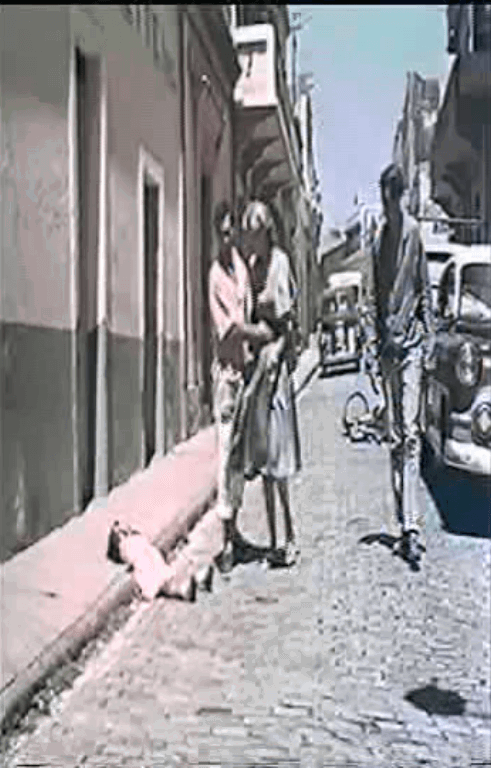
To the movie's detriment, the sexual tension that is supposed to permeate each frame is very much undercooked. One example is a scene in which Harold wants to make love but Evelyn does not. He gets on top of her and intones, “You're my wife.” The scene ends there, strongly implying spousal rape. Though it would have been highly unpleasant to watch, allowing the scene to continue might have made the film stronger. Of course, that couldn't have happened in 1960. It does, however, make me wonder how the scene would have played out a decade later, when sexual mores had loosened. (I'm thinking of the infamous “butter” scene from LAST TANGO IN PARIS.)
The script also makes attempts at Big Statements. For example, it takes a swipe at religion when, in a church, Martin tells Harold, “There are no more churches, no more gods.” And once the men have fought to the death, the victor sadly proclaims, “I killed him. Will we ever learn?” Can't the human race just end, without half-baked attempts at philosophy?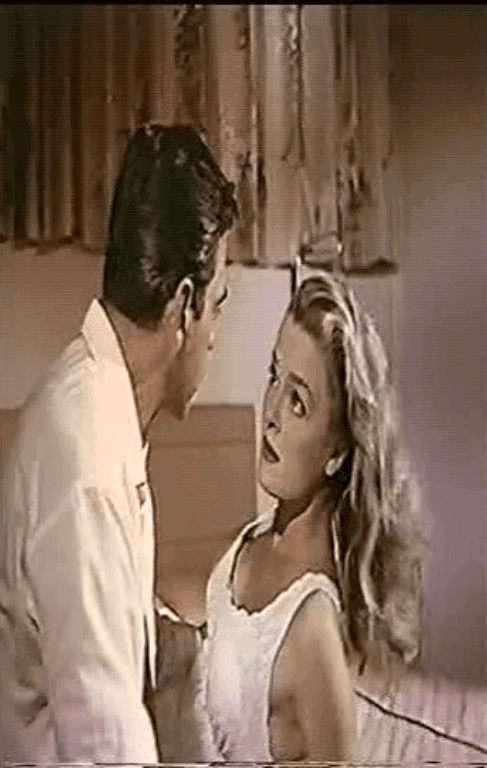
Despite its flaws, this is one of the more palatable Corman vehicles. It's no ON THE BEACH, but it held my interest and (with a few exceptions) didn't make me angry. That's much more than I can say for a lot of Corman's films.
Item: In a spirit true to this era, when Evelyn has trouble breathing, Harold gives her a cigarette.
Item: A radio station keeps playing the same song. However, broadcast turntables do not have an “eject” feature that returns the needle to the start of a record.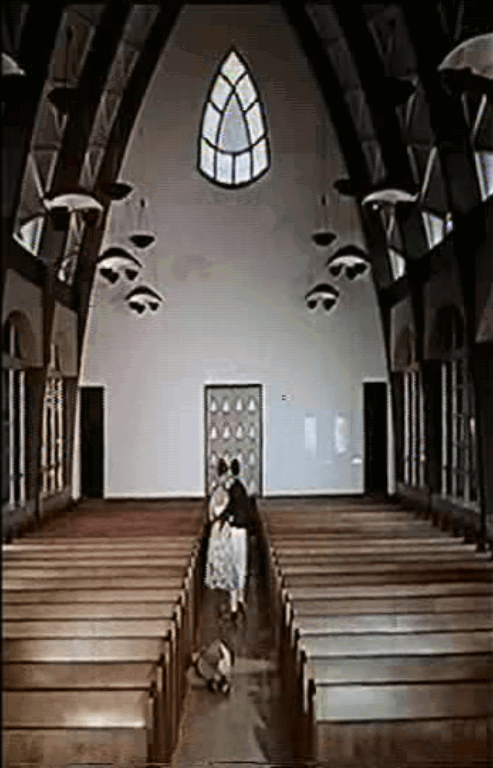
Item: As the three of them walk through the city, they spot a dead child in the street. The “child” is clearly a doll.
Item: A fight breaks out between Harold and Martin while they're fishing in a boat. They end up in the water, which is barely at chest level. Why take a boat if you're only going ten feet from shore?
Item: The vanishing and reappearance of the planet's oxygen supply is never explained.