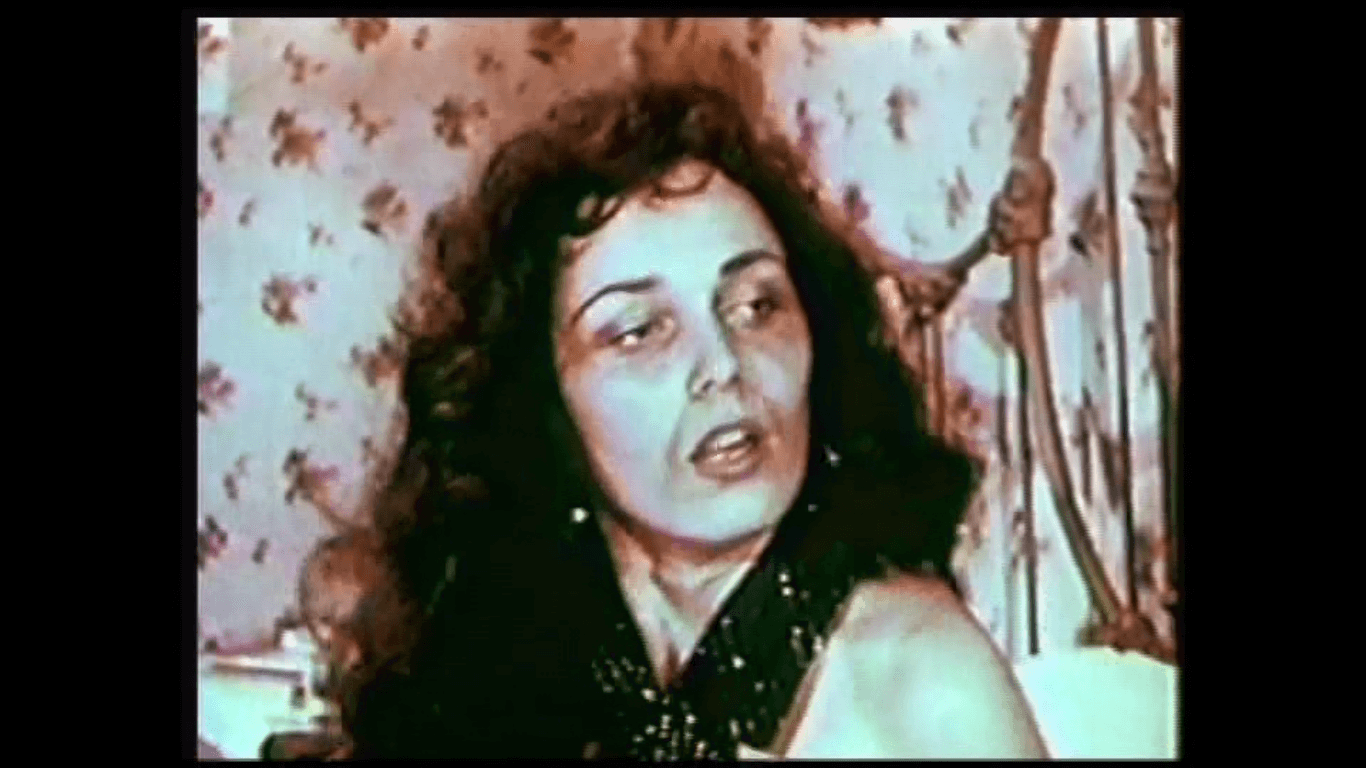
THE NARCOTICS STORY (1958)
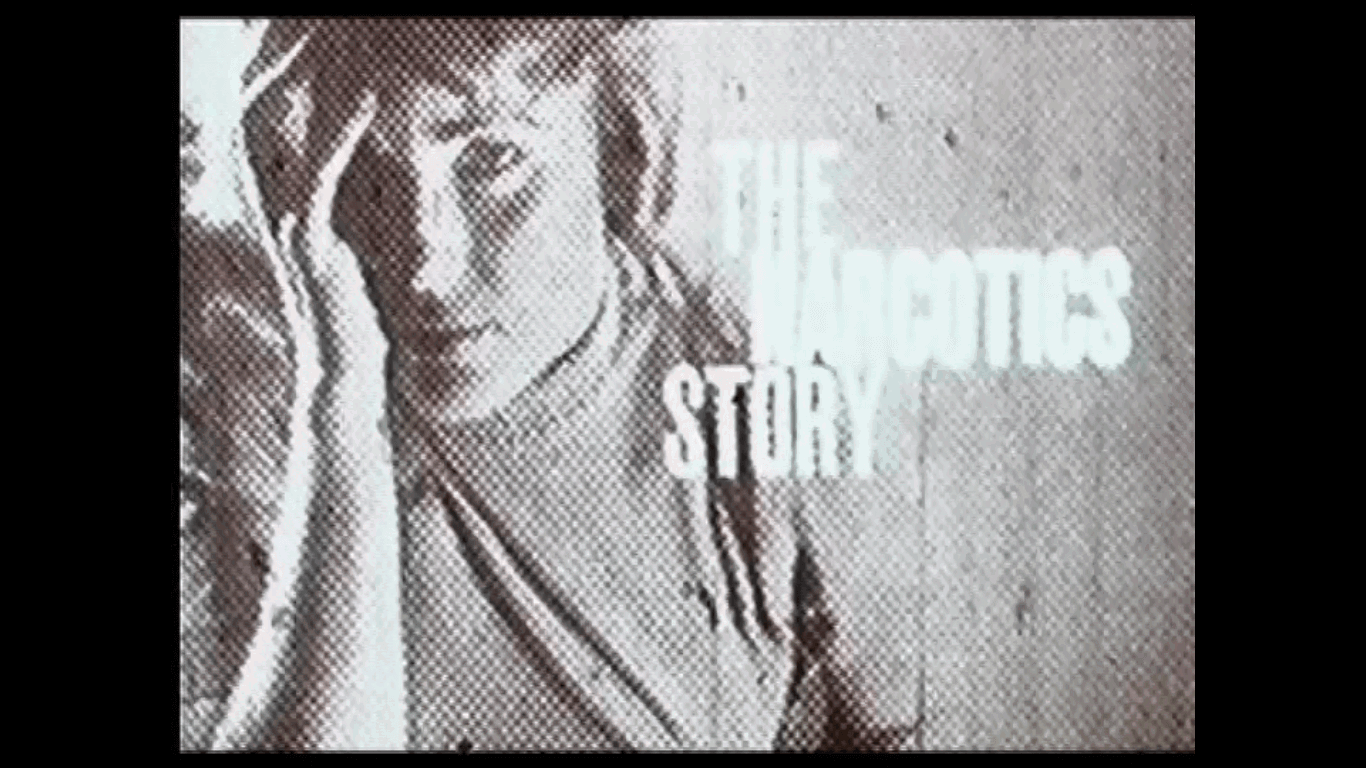
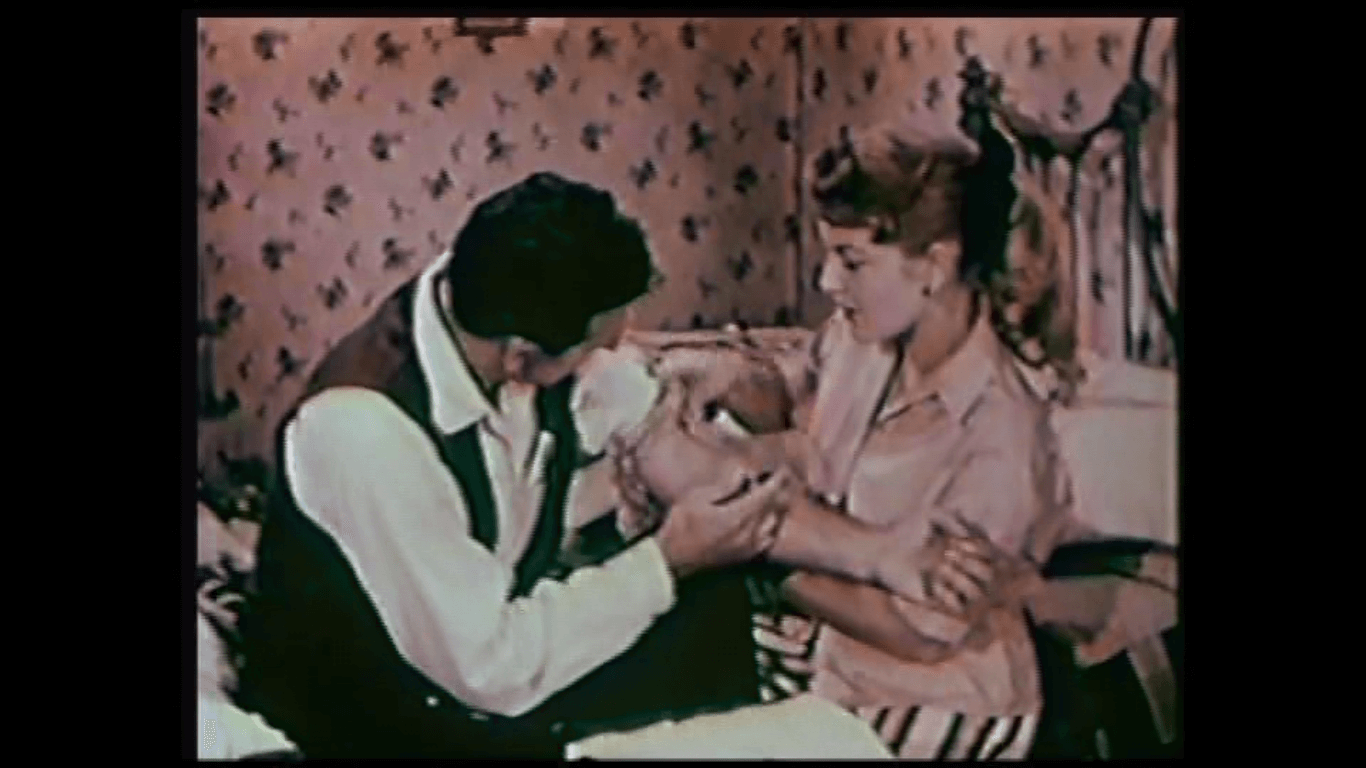
This was a police training film that ended up getting a theatrical release. Filmed in full color, its technical advisers included both a narcotics detective and a reformed heroin addict. As such, THE NARCOTICS STORY has a strong air of authenticity about it. Much of what plays out in its 74 minutes is both ugly and disturbing, and intentionally so.
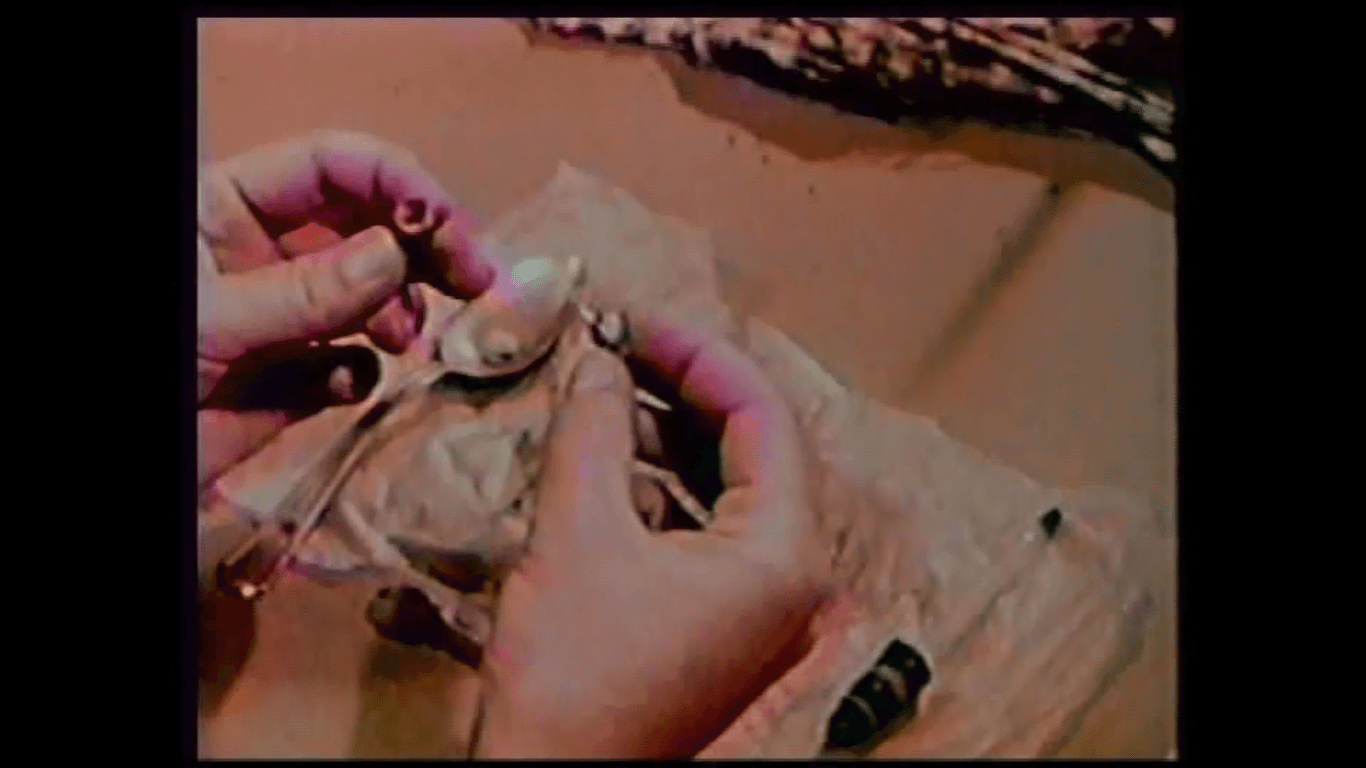
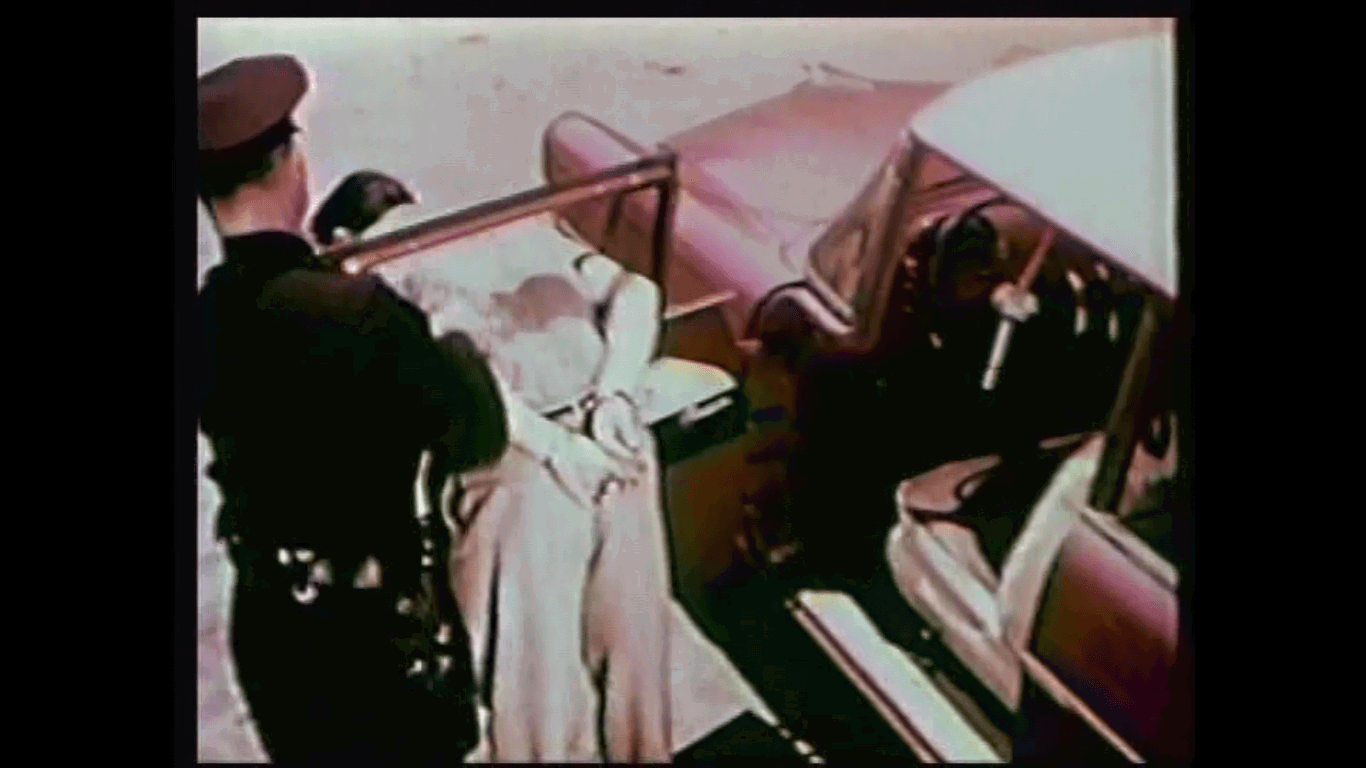
The authoritative bass voice of one Art Gilmore narrates the events. This lack of dialogue from the cast members works in the film's favor as there is no bad acting to distract the viewer from the storyline. And I found the storyline itself quite interesting. From the sneaky and clever techniques the addict adopts to conceal his drugs from the cops, to the increasingly thorough investigative techniques of law enforcement, these 74 minutes went by quickly. This is not a pretty story, but it drew me in and never lost my interest.
Some have argued that the film's approach is heavy-handed. While this claim is not without merit, THE NARCOTICS STORY is head and shoulders above the numerous, low-budget, black-and-white, anti-drug propaganda films of the 1930s and '40s—most notoriously, REEFER MADNESS. Yes, the “don't do drugs” message is strong here, but it's bolstered by evidence of what can and will happen to one who becomes an addict. The film's portrayal of a junkie in withdrawal is entirely too convincing and was rather hard to sit through.
After I watched THE NARCOTICS STORY, I did some fact-checking on its claims. The lion's share of what it posits appears to be true, even sixty-plus years later. My one big problem is the film's implication that marijuana and heroin are equally as addictive and lethal. While that was the prevailing belief in 1958, it has long since been proven false.